Cheap counterfeit chargers deserve particular caution. Some lack the safety features found in properly manufactured products and may use inferior components. A charger that becomes unusually hot, smells burnt, makes strange noises, or shows visible damage should be unplugged and replaced rather than used again.
The danger isn’t limited to the adapter itself. Cords can become damaged when they are bent, pinched, pulled, or stepped on repeatedly. Children may tug on cables, while curious pets can chew through insulation and expose live electrical wires.
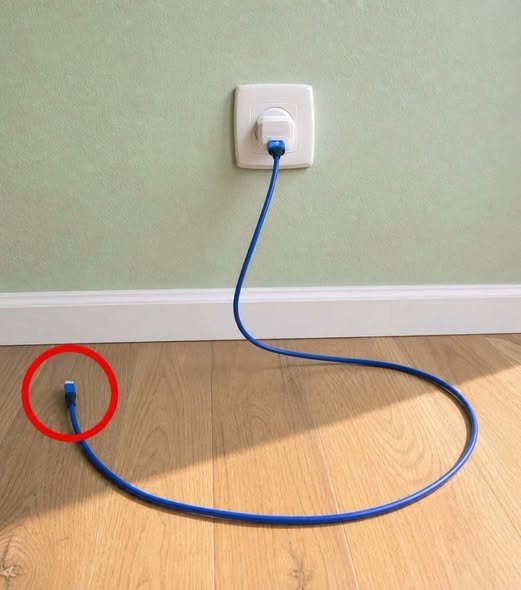
Small habits can make a meaningful difference. When a charger isn’t needed, unplug it from the wall. Avoid yanking cords from outlets, and disconnect them by holding the plug. Keep cables away from heat, water, and places where they can easily be damaged.
It’s also worth checking the outlets around your home. Loose, cracked, discolored, or warm outlets should not be ignored. If an outlet or electrical connection appears damaged, have it inspected by a qualified electrician instead of attempting a risky repair yourself.
Leaving a charger plugged in may seem like a harmless habit, but reducing unnecessary electrical connections is an easy precaution. Unplug unused adapters, replace damaged equipment, and keep cords organized. That simple two-second habit could help prevent a dangerous electrical accident.