
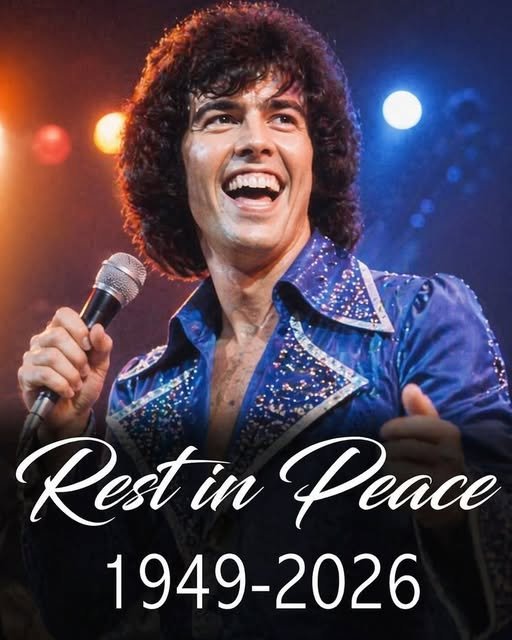
Alan Osmond, the eldest performing brother and one of the guiding forces behind the beloved family group The Osmonds, has died at the age of 76. He passed away on April 20, 2026, at his home in Lehi, Utah, after living with multiple sclerosis for decades. His wife, Suzanne, and their eight sons were by his side during his final moments.
His passing marks the loss of an important figure in American family entertainment. For generations of fans, Alan was more than a singer. He was a leader, songwriter, producer, and steady presence who helped guide The Osmonds through some of the most successful years of their career.

A Musical Journey That Began Young
Born June 22, 1949, in Ogden, Utah, Alan Osmond began performing with his brothers while he was still a child. In the 1950s, Alan joined Wayne, Merrill, and Jay to form a barbershop-style quartet. The young brothers performed at local events before their talent eventually brought them to television.
Alan was the oldest of the performing Osmond siblings and naturally became an important leader within the group. As the family act grew, younger brothers including Donny and Jimmy joined the musical journey. Their appearances on television helped introduce The Osmonds to audiences across the country and eventually around the world.
Their wholesome image, strong harmonies, energetic performances, and close family connection made them especially popular during the 1960s and 1970s.
The Man Behind The Osmonds’ Success
While Alan was a performer, his influence went far beyond the stage. He played an important creative role in shaping the group’s music and helped write several of The Osmonds’ best-known songs, including “One Bad Apple” and “Crazy Horses.”
His leadership also helped the family navigate the pressures that came with becoming a major entertainment act. The Osmonds went from performing as young brothers to becoming a million-selling family group with major television appearances and successful records.
Alan later worked behind the scenes as a producer, including on The Donny & Marie Show, further demonstrating that his contribution to the family’s career was not limited to singing and performing.

A Long Career in the Spotlight
The Osmonds reached some of their greatest success during the 1970s. Songs such as “One Bad Apple,” “Crazy Horses,” “Down by the Lazy River,” and “Love Me for a Reason” became closely associated with the group’s name and helped establish their place in pop music history.
The family also became familiar faces on television. Their appearances helped turn them into household names and gave audiences a chance to see the close bond that existed between the siblings.
Even as the music industry changed, Alan remained committed to the group and its creative direction. His influence helped the Osmonds adapt through different periods of their career, including their later move toward country music.
Living With Multiple Sclerosis
Alan’s life also became a story of remarkable determination after he was diagnosed with multiple sclerosis in 1987. The condition eventually made performing increasingly difficult, and he retired from regular stage performances in 2007.
Despite the challenges, Alan continued to stay involved with his family’s legacy and used his experiences to encourage others living with MS. His positive outlook became an important part of how many people remembered him.
Rather than allowing his illness to completely define his life, Alan continued focusing on his family, faith, music, and service to others.
Family Was Always at the Center
Away from the stage, Alan’s family remained one of the most important parts of his life. He and Suzanne shared more than five decades of marriage and raised eight sons together.
His brothers have remembered him not only as a talented musician but also as a protector, mentor, and dependable older brother. Donny Osmond described Alan as someone who carried great responsibility so that the younger members of the family could shine.
That description captures much of Alan’s role within The Osmonds. He was often the person working behind the scenes, helping guide the family while allowing others to step into the spotlight.

A Legacy That Will Continue
Alan Osmond leaves behind a musical legacy that stretches across several decades. His work helped shape The Osmonds into one of America’s most recognizable family music groups, while his songwriting and production contributions gave him an important place in the story behind their success.
But his legacy is not limited to records, television appearances, or performances. His life also reflected perseverance, family loyalty, creativity, and the determination to continue moving forward despite difficult circumstances.
For fans who grew up listening to The Osmonds, Alan’s passing is a reminder of an era when family groups could become cultural icons through music and television. His influence can still be heard in the songs that made the family famous and in the memories shared by those who knew him.
Alan Osmond’s journey may have come to an end, but the music he helped create and the family legacy he helped build will continue to live on with audiences around the world.
Note: All images used in this article are AI-generated and intended for illustrative purposes only.