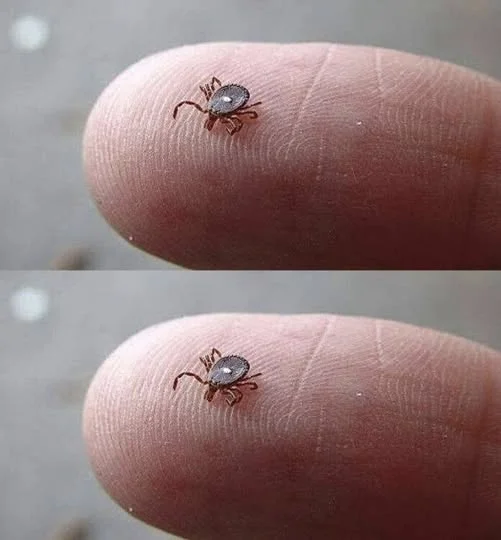
That’s why finding one of these ticks should never be ignored. If you discover a tick attached to the skin, it should be removed carefully using fine-tipped tweezers, pulling straight out without twisting. The bite area should then be cleaned thoroughly and monitored for any unusual symptoms over the following days and weeks.
Most tick bites do not lead to serious illness, and there’s no need to panic. However, awareness is key. If a child develops fever, rash, unusual fatigue, or allergic reactions after a tick bite, it’s important to contact a healthcare professional and mention the exposure.
Outdoor adventures should be fun, not frightening. Simple precautions like wearing long sleeves, using insect repellent, and checking skin after time in wooded or grassy areas can make a big difference.
That tiny white spot may look harmless, but knowing what it means could help protect your family’s health.