
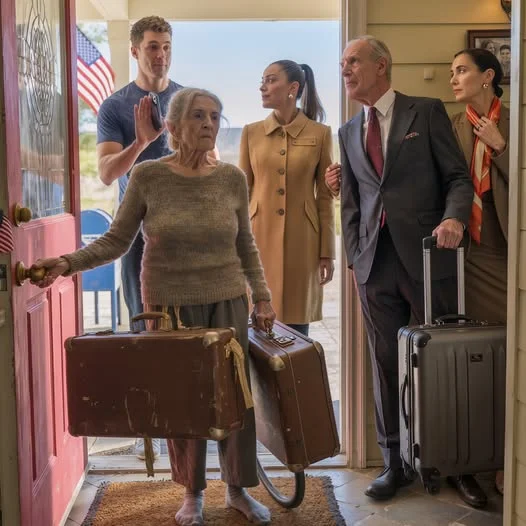
I opened my home with an open heart. After my son Robert’s financial troubles, it seemed the natural thing to do. What I didn’t anticipate was the slow, quiet erosion of my own standing. The temporary stay became indefinite. My savings subsidized their lifestyle, and my presence became an tolerated inconvenience. Conversations would halt when I entered a room. My heirlooms were replaced with their modern décor. I felt myself shrinking, becoming a ghost in the corridors of my own past.
The ultimatum, when it came, was brutally simple. I was to vacate my downstairs bedroom for Jessica’s parents. The message was clear: my comfort was expendable; my role as benefactor was no longer enough. I had to physically remove myself. The shock was so profound it was numbing. I packed my essentials and drove away, watching the home I loved shrink in the rearview mirror. In a sterile motel room, the numbness gave way to a burning sense of injustice.
That fire fueled my resolve. I was not a victim by nature. My husband and I had built a life through diligence, and I had the records to prove it. I compiled every transaction, every check written to bail them out. I reminded myself that the house was my legal asset, not an emotional bargaining chip. Cutting off the financial support was the first, most terrifying step. It felt like cutting a lifeline, but it was actually cutting a leash. Their immediate, panicked reaction showed me where the real power lay.
The legal battle was their chosen arena, and I entered it armed with facts. They attacked my character, suggesting mental decline and painting themselves as martyred caregivers. I countered with medical evaluations and the cold, hard evidence of my bank statements. Their performative apology, a staged visit with pastries and hollow words, was captured on recording, revealing their manipulative core. In the courtroom, truth prevailed over theatrics. The judge saw the exploitation and ruled accordingly.
Reclaiming my physical space was just the first step in reclaiming my self. The house was damaged, but repairable. The relationship with my son, however, may be forever altered. There is grief in that knowledge. Yet, there is also a powerful liberation. I am no longer financing my own marginalization. My story is a cautionary tale about the cost of peace at any price. Sometimes, the only way to save the sanctuary of your own soul is to be willing to fight for the sanctuary of your own home.