
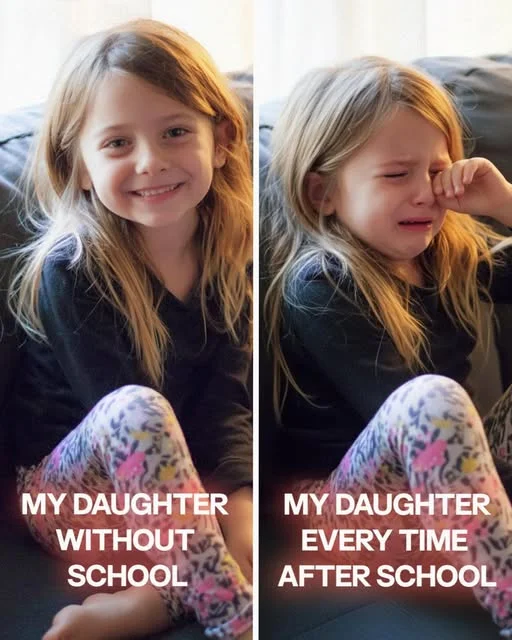
When six-year-old Lily transformed from an enthusiastic student to a withdrawn, anxious child, the signs followed classic patterns of school-related distress. The red eyes, trembling hands, and school resistance represented nonverbal communication that something was fundamentally wrong in her learning environment. Her simple statement, “Mommy, I don’t want to go,” signaled a level of school aversion that warranted serious attention.
The decision to place a recorder in the child’s backpack, while controversial, provided critical documentation of the emotional abuse occurring in the classroom. The recording captured what child psychologists identify as destructive teaching practices: personal attacks rather than constructive feedback, shaming of normal emotional responses, and the inappropriate involvement of family members in criticism.
The discovery that the substitute teacher held a personal grudge against Lily’s mother added another dimension to the case. This wasn’t merely poor classroom management but targeted emotional abuse rooted in the teacher’s own unresolved issues. The situation demonstrates how adult conflicts can dangerously spill over into educational environments, with children becoming unintended victims.
The school’s response—immediate removal of the teacher and implementation of student support—aligns with best practices for addressing classroom trauma. Lily’s gradual recovery highlights children’s resilience when removed from toxic environments and given appropriate emotional support. This case underscores the importance of taking behavioral changes seriously and creating school environments where children feel safe reporting mistreatment.