
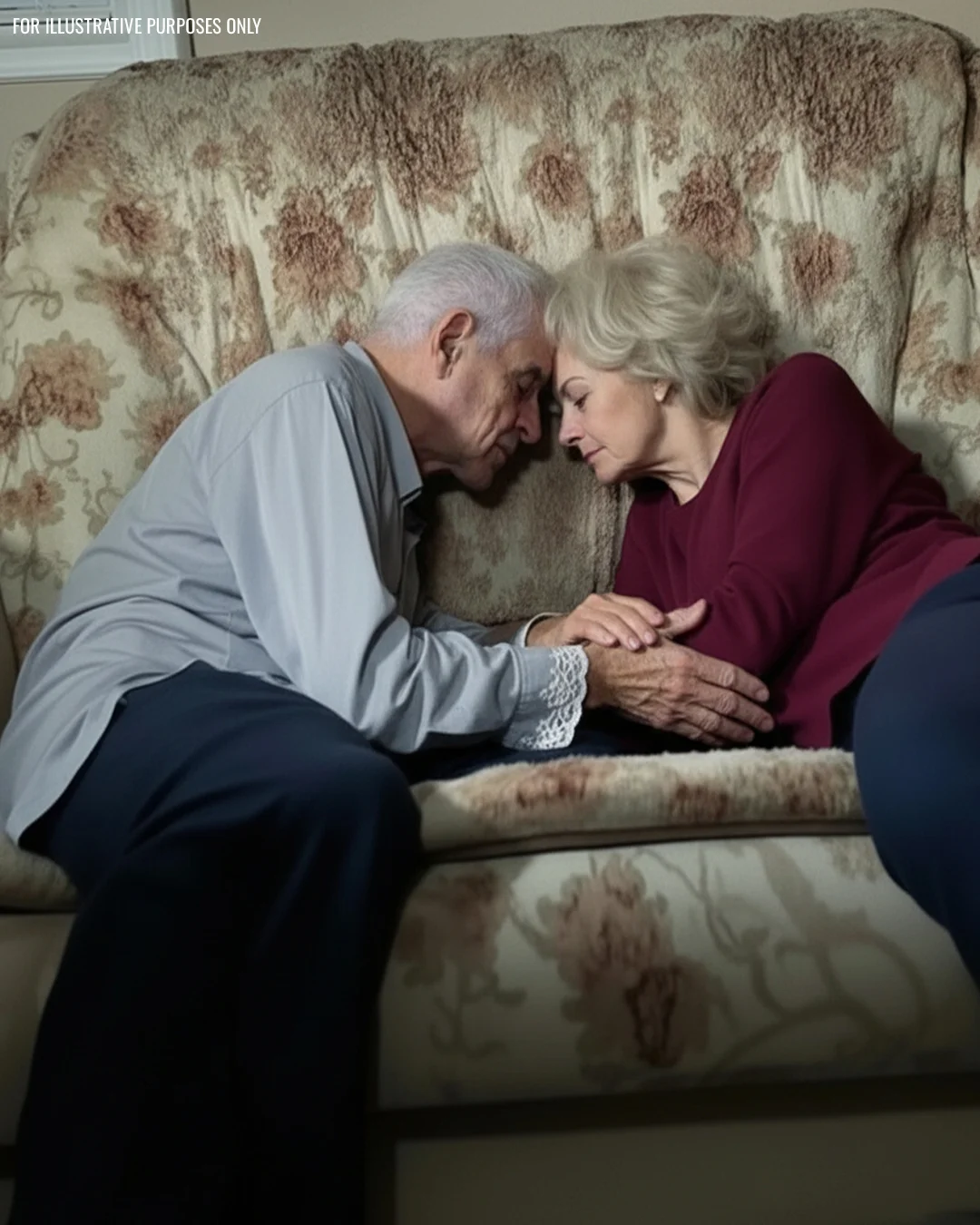
Their rivalry was legendary, a daily performance of irritation that entertained and baffled the neighborhood. Margaret and Harold, next-door neighbors for forty years, seemed to find joy only in annoying each other. When Harold became ill, the dynamic shifted mysteriously. Margaret, the supposed nemesis, became his primary caregiver, his only solace. Her profound sorrow at his funeral hinted at a hidden truth, one that was fully revealed during the reading of his will. The legal document bequeathed her his house and property, but the attached personal letter was the real testament.
Harold’s letter confessed a secret that rewrote their entire shared history. They weren’t lifelong adversaries; they were first loves, torn apart by a malicious lie. As teenagers, they had planned a future together, only to be sabotaged by Margaret’s father, who fabricated a cruel rejection letter to drive Harold away. Both spent decades nursing a heartbreak they misunderstood, each believing they had been abandoned by the other. Harold’s return to buy the house next to hers was an act of haunted proximity. Their endless arguments about hedges and garbage cans were a sad, stubborn substitute for the conversation they were too afraid to have.
The inheritance was Harold’s final, silent attempt at reconciliation. In the weeks following, Margaret discovered the archive of his silent devotion: stacks of letters written but never mailed, birthday cards purchased but never given, a photograph of their young selves kept by his bed. Their story is a tragedy of mistiming and fear. He learned the truth of her father’s deception years ago but could not break the habit of hostility they had built. She mourned not just his death, but the weight of all those lost years. The house stands now as both a gift and a ghost, a solid reminder of a love that persisted through four decades of angry silence, proving that some connections are so deep they can only be expressed, even perversely, through a lifetime of attention.