The original cartoon ran only a few seasons, yet the toy line, comics, films, and later series carried the character across decades. Cullen repeatedly returned to the role, including the live-action Transformers films beginning in 2007. New visual effects and new casts changed the franchise, but his voice preserved a direct connection to the 1980s series.
Optimus Prime was only part of an extensive career. Cullen voiced Eeyore in numerous Winnie the Pooh productions, giving the gloomy donkey a recognizable softness. He worked on The Smurfs, several G.I. Joe projects, and many television series, films, games, commercials, and specials. He was also heard as the ominous vocalization of the Predator in the 1987 film.
Before voice acting became his defining profession, Cullen worked in live television. His credits included announcing for The Smothers Brothers Comedy Hour and performing in comedy sketches connected with Sonny and Cher. Those experiences developed the timing and vocal control that later allowed him to create distinct personalities without appearing on screen.
Voice performers often work without the public visibility given to film stars, but Cullen’s relationship with fans was unusually strong. Convention audiences asked him to repeat Optimus Prime’s speeches, and many adults told him that the character had provided stability or courage during childhood. Cullen understood that they were responding not just to nostalgia but to the values carried in the performance.
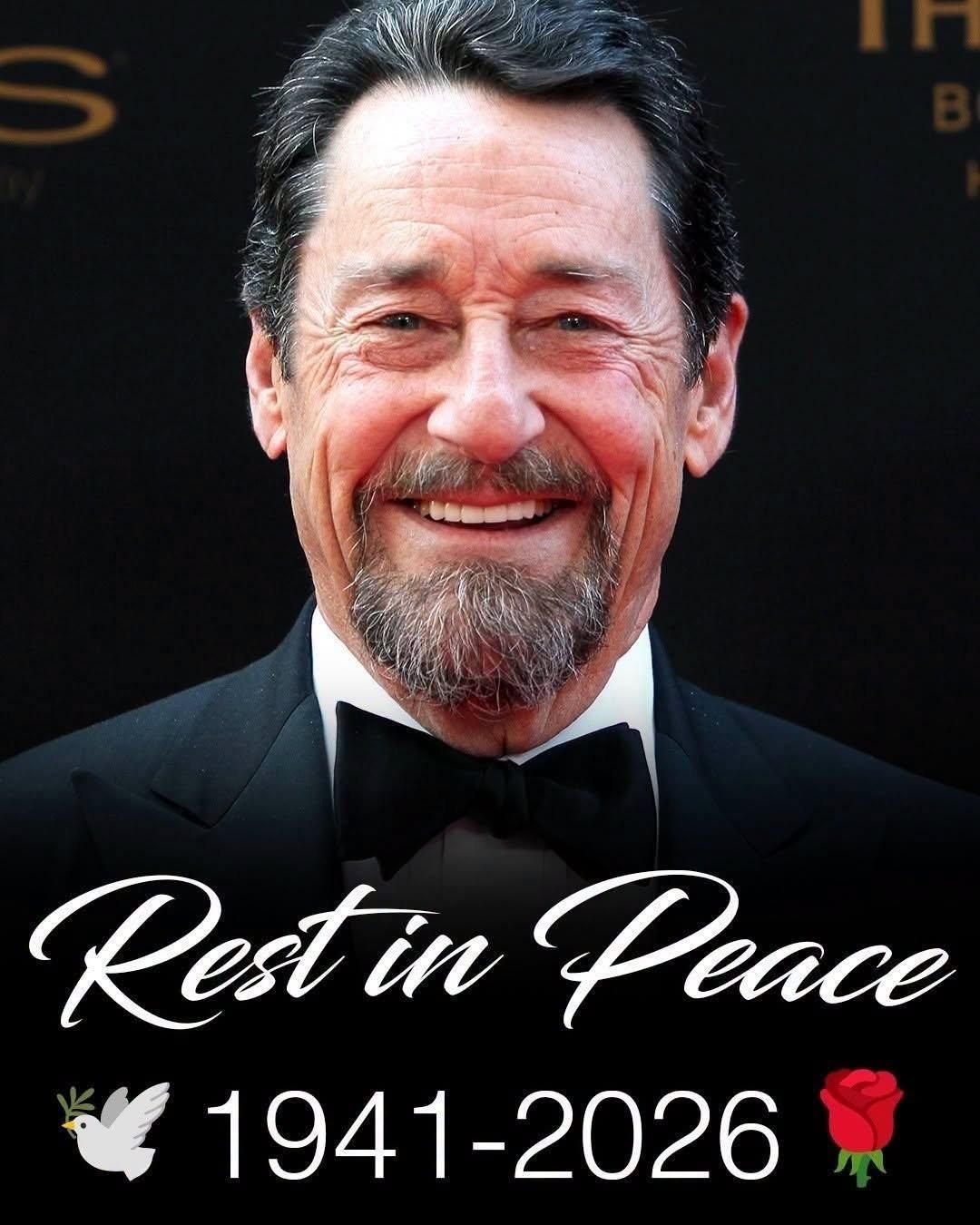
His death prompted tributes throughout animation, gaming, and the Transformers community. Hasbro recalled the origin of the Optimus voice and the influence of Larry’s advice. Fellow performers and viewers emphasized Cullen’s kindness in person, noting that the gentleness associated with the Autobot leader did not feel invented.
The franchise will continue and other actors have voiced versions of Optimus Prime, but Cullen established the emotional template. His delivery could command an army and, a moment later, reassure a frightened human character. That balance kept Optimus from becoming merely a powerful machine. He sounded like a leader who accepted responsibility for the people following him.
Peter Cullen leaves behind an enormous body of work, but a single sentence captures why his most famous role endured. Strength without compassion is only force; leadership requires both. Through Optimus Prime, Cullen gave that idea a voice recognized around the world. The actor is gone, yet every time the character urges courage, loyalty, and mercy, audiences will hear the standard he created.
Cullen’s craft depended on far more than having a naturally deep voice. He controlled pace, breath, resonance, and silence so that lines recorded alone in a studio still sounded directed toward a frightened child, a fellow warrior, or an entire audience. That precision earned him lifetime-achievement recognition from the National Academy of Television Arts and Sciences and lasting respect among performers who followed him into voice acting.