
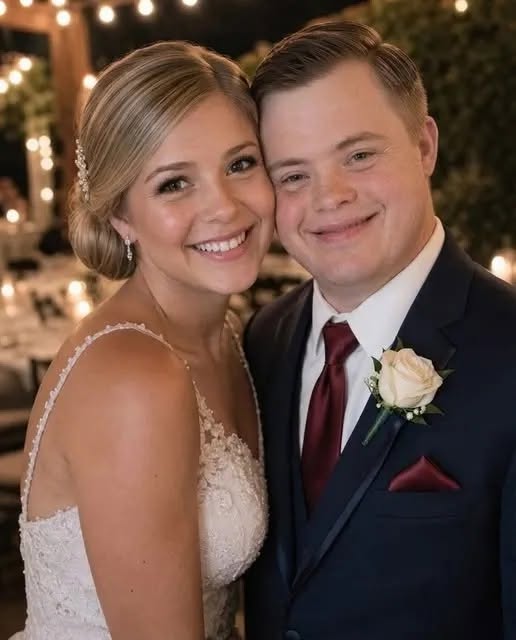
I thought I was the luckiest woman alive, pulling into my driveway three weeks before our fifth anniversary. I was coming home early to surprise my husband, Matthew, with an extravagant watch he had admired for months. Instead, I stood in the hallway and overheard a single sentence that shattered my perception of reality, making me question every shared memory and every success I had ever celebrated.
Matthew and I were the definition of soulmates. We had known each other since we were small children living next door. He was my constant shadow and my fiercest protector through school, awkward birthdays, and every painful stage of growing up. When another child mocked my large glasses in fourth grade, Matthew didn’t just comfort me; he pushed the bully down and accepted detention without a hint of regret.
“No one gets to make you cry, Ashley,” he told me then, wiping my tears. That was who he had always been in my eyes—loyal, patient, and intensely protective.
I was his complete opposite. I hesitated over everything. Fear was my closest companion. I nearly joined the student council, nearly auditioned for plays, and nearly applied to my dream college. Matthew was the only person who truly noticed how often I abandoned opportunities just before something good might happen, paralyzed by the possibility of failure.
By high school, everyone expected us to fall in love. They were right, of course. We married after college, bought a charming small house near the neighborhood where we grew up, and built what I believed was a peaceful, perfect life. Until that afternoon.
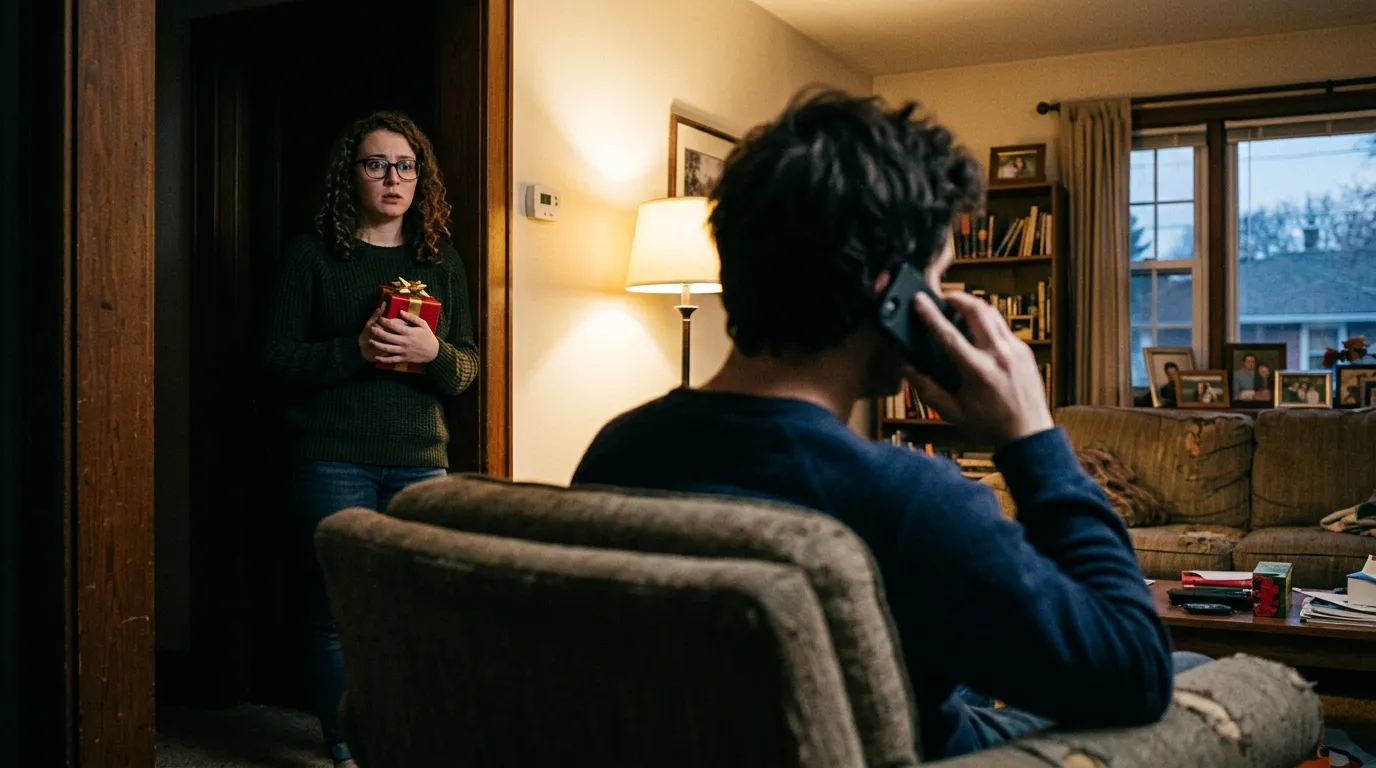
The moment my world shattered: Overhearing the words I was never meant to hear.
His car was already in the driveway, although he normally worked until five. I quietly opened the front door, slipping inside, imagining his joy when he saw the gift. Then I heard my name, spoken in a hushed tone from the living room.
Matthew was on the phone. “She walked straight into my trap in high school,” he said, his voice devoid of its usual warmth. “I’ve been working on this since we were teenagers.”
I froze in the hallway, the gift heavy in my hand. He continued, “I kept everything. She still has no idea. If she had discovered it earlier, the entire plan would have fallen apart.” Then came the sentence that destroyed my sense of safety and twisted my stomach into knots. “My plan is about to work.”
I escaped the house before he saw me. Safe in my car down the street, I began to tremble. In the cold light of suspicion, every promise, every coincidence, and every stroke of “luck” sudden looked manipulative. Had he ever loved me for who I was, or had my entire life been part of a grand, architectural plan?
Memories returned, recontextualized by fear. During college, I had completed a demanding application for a prestigious summer program, only to lose my nerve and throw the entire packet in the trash. Somehow, an acceptance email arrived a week later. I had assumed I must have submitted it during a forgotten moment of midnight courage. Now I wondered whether someone else had salvaged my dream and pressed ‘submit’ for me. Then more memories surfaced: other abandoned applications, unexpected job offers, and creative successes I had always attributed to good fortune. For the first time, I wondered whether Matthew had been quietly, expertly controlling my life for years.
PART 2: THE EVIDENCE
For three days, I pretended everything was normal. It was the hardest performance of my life. I ate dinner with Matthew, answered his loving questions, and smiled while secretly searching our house for any sign of his “plan.” I found nothing.
My breakthrough came when he left his laptop open one afternoon to grab coffee. I pulled up the file finder. Deep inside an archived, encrypted folder, I found a document titled “Ashley’s Fellowship Application.” I clicked it. The attachment was mine, but the data showed it had been submitted three days *after* I had given up on it. The confirmation had been directed to a subtle variation of my email address he must have created, making the acceptance appear as though I sent it myself. Matthew had done it.
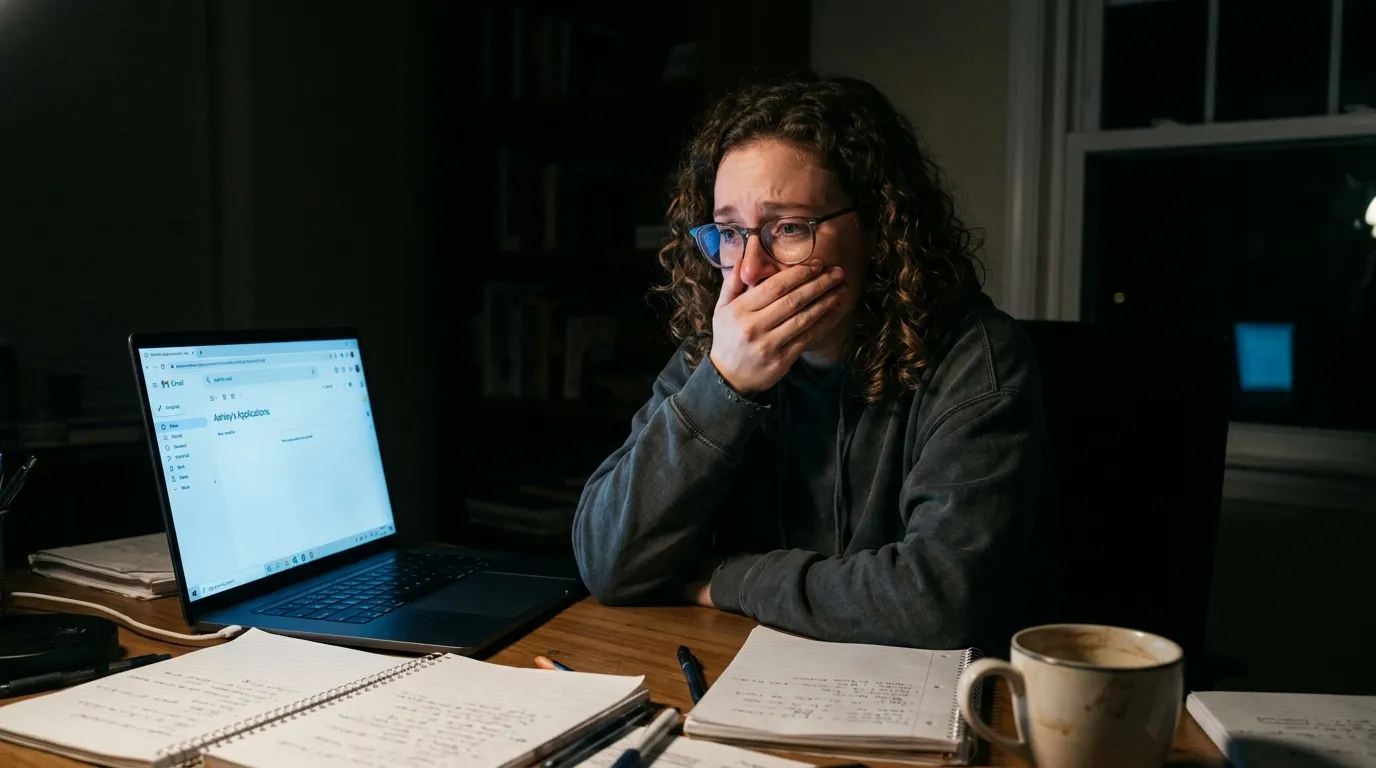
The digital paper trail: Every milestone of my life was chronicled in his ‘plan’ folder.
I searched further. Graduate school. A leadership seminar. A crucial writing conference that launched my career. Finally, a detailed log of a manuscript submission that eventually became my first published novel. The words and the work were mine, but whenever fear had stopped me, Matthew had quietly pushed the final button.
That night, I confronted him, my voice shaking with a mixture of rage and grief. “What trap were you talking about, Matthew?”
Matthew did not deny the call. He didn’t offer a defense or an excuse. Instead, he led me into the garage and opened an old, dust-covered cedar chest hidden behind Christmas decorations. The air filled with the scent of aged wood. Inside were dozens of dated journals, covering nearly every year of our shared lives.
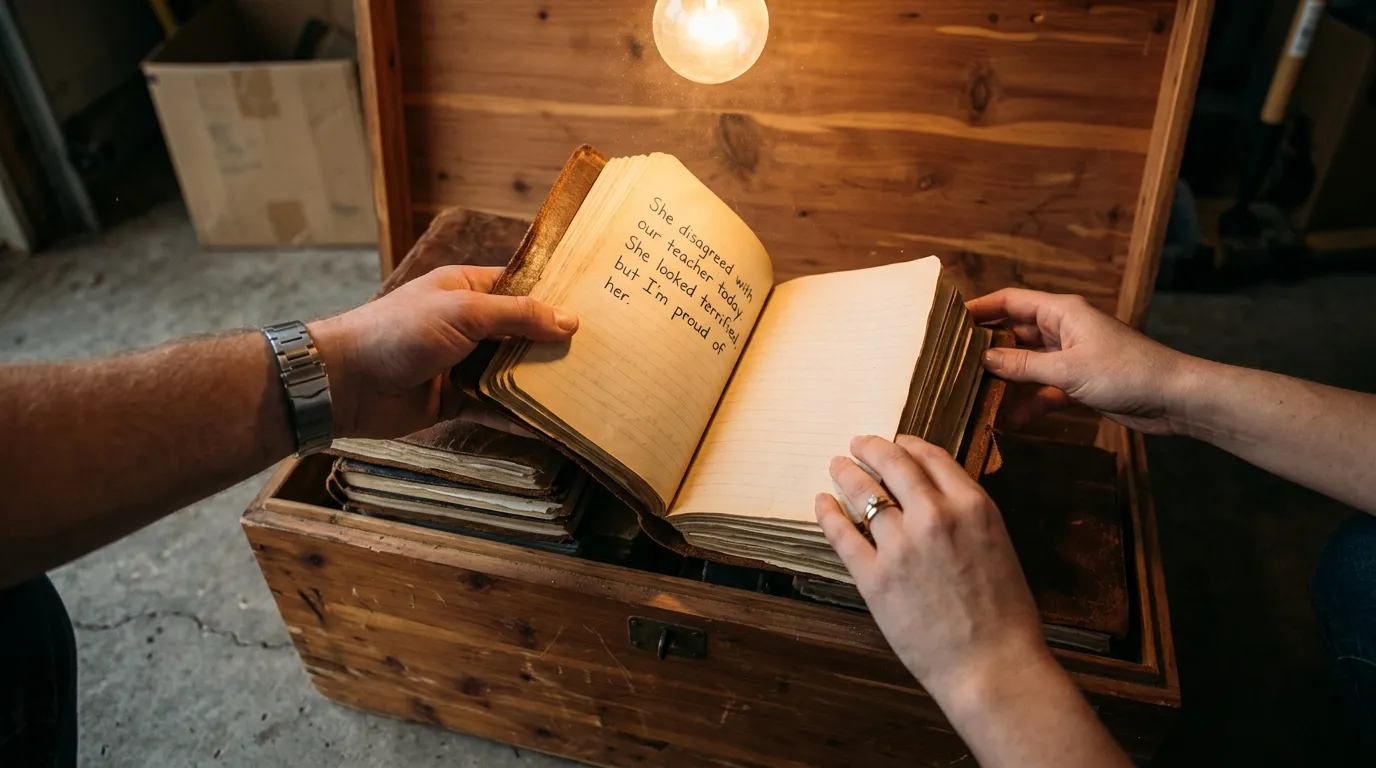
The blueprints of control: He documented my life not in awards, but in moments of confidence.
He opened the earliest journal, began when we were just fifteen. I read the entries. They were different from what I expected. There were no entries about his feelings, no teenage angst about me. They recorded no awards I won—only small, microscopic moments of confidence.
“Ashley raised her hand in biology today. Only once. She nearly apologized afterward, but she did it.”
Another entry read:
“She ordered lunch without asking me what she should choose first.”
And another:
“Ashley disagreed with our history teacher about a date. She looked terrified the whole time. I’m so proud of her.”
Matthew explained that he had noticed as a teenager that my fear always made me quit exactly one step before discovering what I was truly capable of achieving. “I couldn’t watch you sabotage your own happiness anymore,” he whispered.
“So you decided to interfere,” I said, the violation stinging. “You lied. You manipulated me for a decade. You chose parts of my future without asking for my consent.”
He admitted it all. Matthew insisted his actions came from a place of pure devotion; he had always believed in me, even when I couldn’t believe in myself.
But I finally understood the core problem, the flaw in his design. “You did not trust me, Matthew,” I said, cold clarity settling over me. “You only trusted your plan.”
“I just wanted you to see yourself the way *I* saw you,” he pleaded.
By preventing me from quitting, he had protectively ensured my success, but he had also denied me the fundamental human right to fail on my own terms. My victories weren’t fully mine. Then Matthew removed one final notebook from the chest. Only the first page contained writing.
“When Ashley finally believes she no longer needs me to catch her, my job is finished.”
He explained the entire phone call. He had been speaking to his father. “My plan is about to work,” he had said. “Ashley finally believes she does not need me anymore. My job is finished.” The “trap” was not a scheme to steal my future. It was his lifelong, misguided attempt to push me toward the confidence I was always too afraid to grasp. His intentions were born from love, but that did not erase the profound violation of trust.
“You believed I could succeed,” I told him, closing the chest. “But you never believed I deserved complete ownership of my own life, including the mistakes.” I asked for space. For the first time in our lives, Matthew did not stop me, offer a solution, or decide where I should go. He simply let me leave.
PART 3: WALKING BESIDE ME
The following months were painful, silent, and entirely necessary. Matthew and I began intensive therapy, both separately and together. He had to unlearn decades of solving problems before I could even face them. I watched him physically struggle in sessions, sometimes beginning to research an answer before I had even finished explaining the problem. Then, with an effort that made his hands shake, he would stop, take a breath, and ask, “What do you think we should do?”
At first, I did not know how to answer. Independent choices, after years of being subtly rescued, felt frightening and monumental. But slowly, the muscle of decision-making grew stronger. One afternoon, I made a major business decision regarding my writing that Matthew clearly disagreed with. I saw the familiar look of strategic concern cross his face, but he did not interfere.
“What do you need from me?” he asked instead.
“Nothing,” I replied firmly. He paused, looking at me, then slowly nodded. “Okay.” Whether that decision succeeded or failed, the outcome would finally belong entirely to me. That terrifying freedom mattered more than being protected from my own mistakes.
Nearly a year after the phone call that changed everything, I stood backstage at the official launch of my own independent publishing company. The old Ashley would have disappeared, overwhelmed by imposter syndrome. Instead, I walked onto the stage. I spoke without apologizing for my presence. I trusted my own voice.
Afterward, I noticed Matthew sitting in the back row, beside his father. The older man leaned toward him, smiling. “You must be so proud of her.”
Matthew smiled back, a relaxed, genuine expression I hadn’t seen in years. “I have always been proud of her. I just finally learned that loving her does not mean deciding who she should become.”

A new beginning: Learning that real love is respecting the journey, not controlling the destination.
For most of our lives, one of us had always been leading while the other followed. Matthew had sincerely believed love meant clearing every obstacle from my path. I had believed being loved meant allowing someone else to choose the safest direction. We were both wrong.
Real love was not controlling another person’s journey, even with the best intentions. It was respecting their right to hesitate, to choose badly, to fall, to recover, and ultimately, to grow on their own terms. Matthew no longer walked ahead of me, pulling me toward the future he believed I deserved. I no longer waited behind him, needing to be guided. For the first time, we were simply walking side by side.
Note:This work is inspired by real events and people, but it has been fictionalized for creative purposes. Names, characters, and details have been changed to protect privacy and enhance the narrative. Any resemblance to actual persons, living or dead, or actual events is purely coincidental and not intended by the author.
All images used in this article are AI-generated and intended for illustrative purposes only.