
A Shift From “Good Manners” to Real Empathy
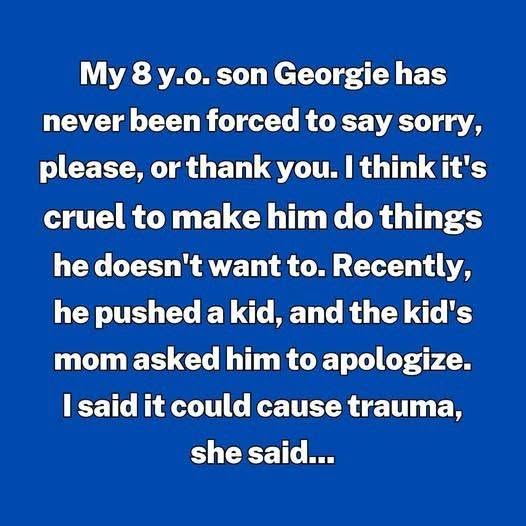
For a long time, I believed that teaching good manners meant reminding my son to say “thank you” and “sorry” whenever the situation called for it. Like many parents, I thought these words were an important part of raising a kind and respectful child.
But over time, I started to question whether repeating these phrases on command was really teaching empathy. I realized that when children are pushed to say certain words before they truly understand why, those words can lose their meaning. Instead of expressing genuine gratitude or remorse, they can become automatic responses meant only to satisfy adults.
That realization changed my parenting approach. Today, I no longer force my son to say “thank you” or “sorry.” Instead, I focus on helping him understand the feelings behind those words, believing that real empathy is far more valuable than polite habits alone.
My Childhood Shaped the Way I Parent
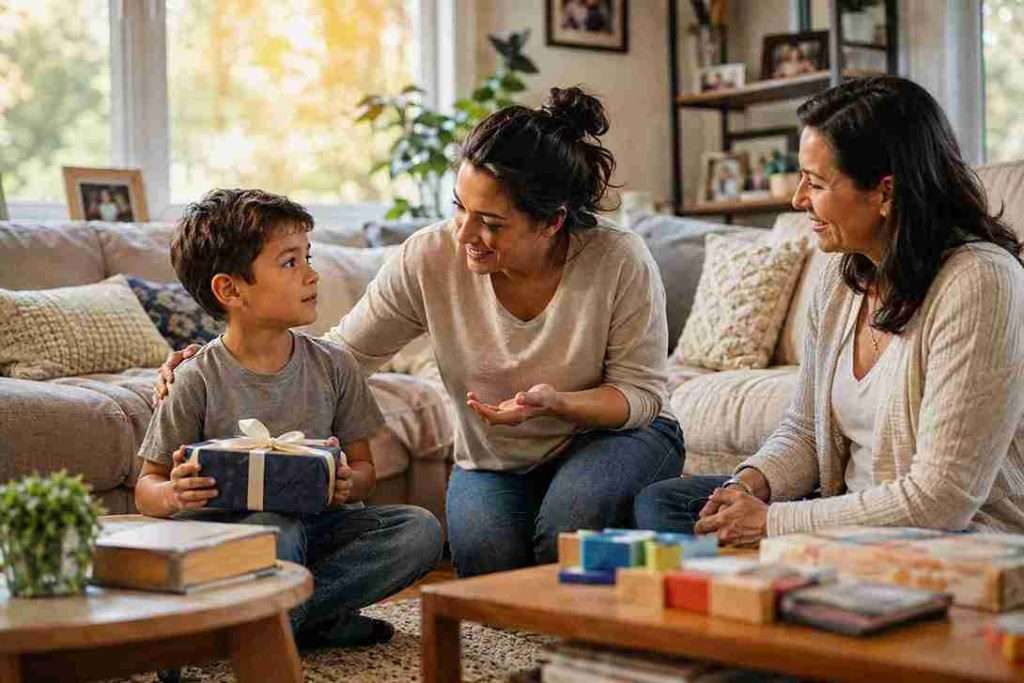
The way we parent is often influenced by the way we were raised.
Growing up, my home was filled with strict rules and high expectations. Good manners were expected at all times, and making mistakes often resulted in criticism rather than understanding. While I learned to be polite, I also carried emotional struggles that stayed with me for years.
Some of those lasting effects included:
- Anxiety in social situations
- Low self-confidence
- Feeling responsible for keeping everyone happy
- Constantly trying to avoid disappointing others
When I became a parent, I promised myself that I wanted something different for my own child. I wanted him to feel safe expressing his emotions instead of fearing punishment or embarrassment. My goal has never been to raise a child without manners—it has been to raise one who understands the meaning behind them.
Teaching Through Actions Instead of Commands
Children pay close attention to what adults do, often more than what adults say.
Instead of demanding polite words, I try to model the behavior I hope my son will eventually develop. If I make a mistake, I apologize sincerely. If someone helps me, I thank them with genuine appreciation.
I want him to see that these words matter because they come from honest feelings, not because someone insists they be spoken.
To me, a meaningful apology should be:
- Honest
- Heartfelt
- Based on understanding
- Focused on repairing relationships
Likewise, a genuine “thank you” should come from real appreciation rather than habit.
A Playground Lesson About Taking Responsibility
One experience especially reinforced my thinking.
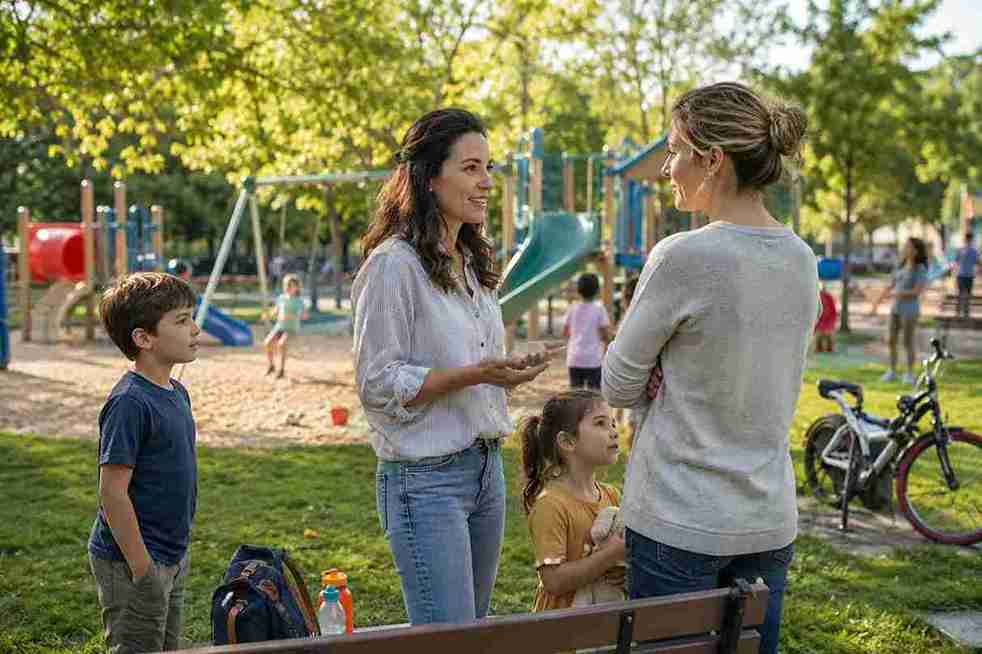
One afternoon at the playground, my son pushed another child during an argument. Instead of immediately telling him to say “sorry,” I spoke with the other child’s mother myself. I apologized for what had happened and acknowledged that the behavior was unacceptable.
My purpose wasn’t to excuse my son’s actions or accept all the blame on his behalf. Instead, I wanted him to witness what genuine accountability looks like.
In that moment, he saw:
- How adults take responsibility for mistakes
- That conflicts can be handled calmly and respectfully
- That repairing relationships is more important than simply saying the right words
I believe that lesson stayed with him far longer than a forced apology would have.
Why I Avoid Forced Apologies
One of my biggest concerns is that requiring an immediate apology can sometimes encourage children to say words they don’t actually mean.
If a child doesn’t yet understand why someone was hurt, simply repeating “I’m sorry” may become nothing more than a routine.
When apologies are forced, they can sometimes:
- Become empty habits instead of meaningful expressions
- Encourage obedience without reflection
- Prevent children from processing their emotions
- Teach that saying the correct words is more important than understanding the impact of their actions
Rather than rushing my son to apologize, I prefer giving him time to think about what happened, how his actions affected someone else, and what he can do to make things better.
When Others Disagree With My Parenting Style
Not everyone agrees with this approach, and I understand why.
Some people believe children should always be taught to say “thank you” and “sorry” as basic manners.
My husband sometimes worries that our son may not fully learn important social expectations. Other parents have even suggested that my approach is too relaxed or irresponsible.
I respect those opinions, but I see things differently.
I’m not choosing to ignore kindness, respect, or accountability. Instead, I’m trying to teach those values in a way that encourages genuine understanding instead of automatic responses.
For me, parenting is about guiding my child—not controlling every word he says.
How We Encourage Accountability at Home
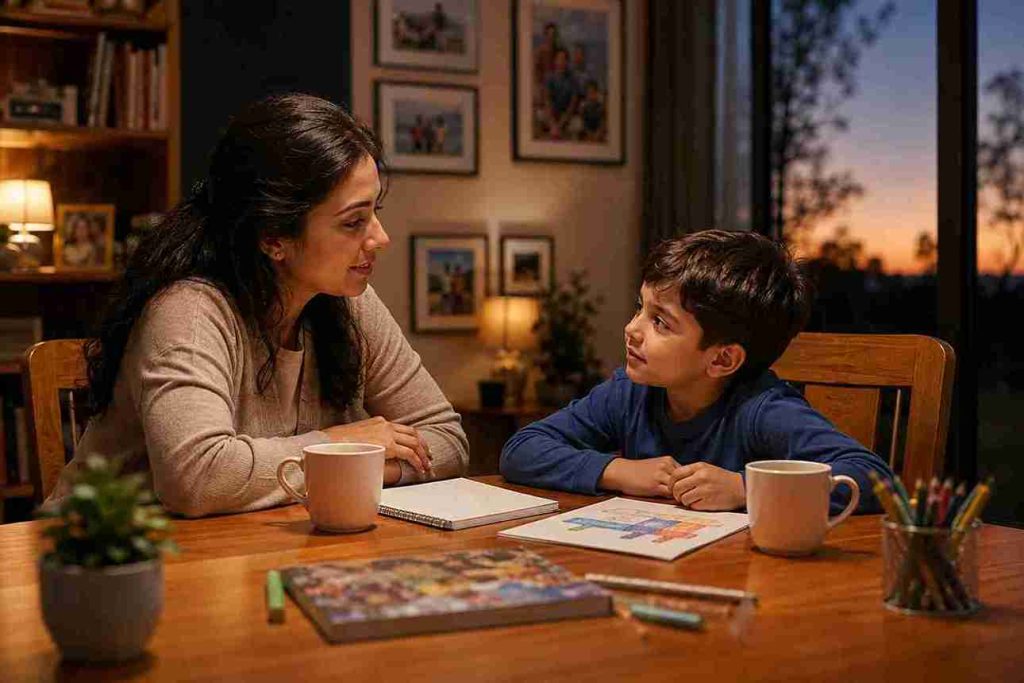
When mistakes happen in our home, we don’t immediately demand an apology.
Instead, we have conversations.
I ask questions that encourage reflection, such as:
- How are you feeling right now?
- What happened?
- How do you think the other person felt?
- Why do you think they reacted that way?
- What could you do differently next time?
- Is there something you can do to help make things right?
These conversations help my son think through his actions rather than simply repeating words because someone told him to.
Over time, I hope this helps him build emotional awareness, compassion, and personal responsibility.
Raising Empathy Instead of Perfect Manners
Good manners certainly have value, but I believe empathy is what gives those manners real meaning.
When children understand how their actions affect others, kindness becomes a natural choice instead of a social obligation.
My hope is to raise a child who:
- Understands the emotions of others
- Accepts responsibility for his actions
- Learns from mistakes
- Shows kindness because he truly cares
- Expresses gratitude sincerely
- Offers apologies that come from the heart
Those qualities, in my opinion, last much longer than memorized phrases.
Final Thoughts
Every family chooses its own path when it comes to teaching manners and respect. My decision not to force my son to say “thank you” or “sorry” isn’t about rejecting politeness—it’s about giving those words their true value.
I want him to grow into someone who apologizes because he genuinely feels remorse, not because someone demanded it. I want him to say “thank you” because he truly appreciates another person’s kindness, not simply because it’s expected.
For me, genuine empathy, honest accountability, and meaningful relationships are far more important than polite words spoken without understanding. If those values guide him through life, I believe he’ll become not only a respectful person, but also a compassionate one.
Note: All images used in this article are AI-generated and intended for illustrative purposes only.