
The Long Journey Home
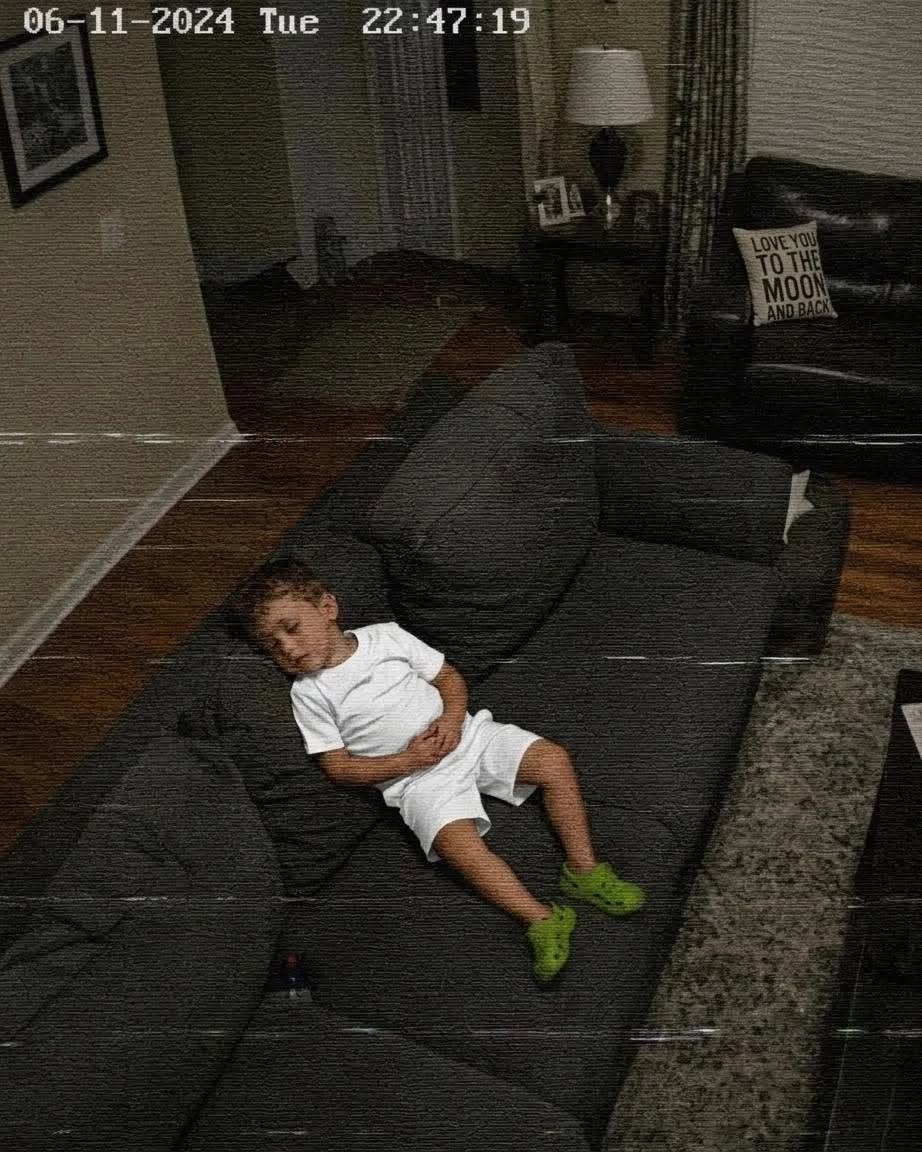
I returned home early, hoping to surprise my seven-year-old son, Bennett. Instead, my sweet boy wrapped his small arms around me, begged me not to enter his bedroom, and warned me that I would become terribly angry. Then, a faint voice echoed from behind his closed door.
I had been away for four days.
When I first agreed to the business trip, four days did not seem very long. They will pass quickly, I told myself while tossing blouses and heels into my suitcase on a dreary Monday morning. But for a mother, four days is an eternity. It was enough time to miss the comforting cadence of my son’s bedtime stories. It was enough time to miss the way he always invented a reason to request just one more glass of water after I had tucked him in. And it was certainly enough time to feel a crushing weight of guilt every time his small voice came through the phone asking, “When are you coming home, Mom?”
Bennett had never handled my work trips well. At seven years old, he understood that my job occasionally required travel, but intellectual understanding did not make the physical absence any easier on his tender heart.
On the very first night, he called from his bed, his voice trembling slightly.
“Your Aunt Lauren checked the locks twice,” I assured him, trying to project warmth through the cold phone line.
“Did she check the windows?”
“Yes, sweetie.”
“All of them?”
I smiled, a soft, aching smile even though he could not see me. “All of them, Bennett.”
He remained quiet for a thoughtful moment. “Can you tell me the dragon story?”
So I did. Still dressed in my stiff, professional work clothes, I sat alone in a sterile hotel room hundreds of miles away and recounted the tale I had invented years earlier—a story about a timid, misunderstood dragon who was secretly terrified of the dark.
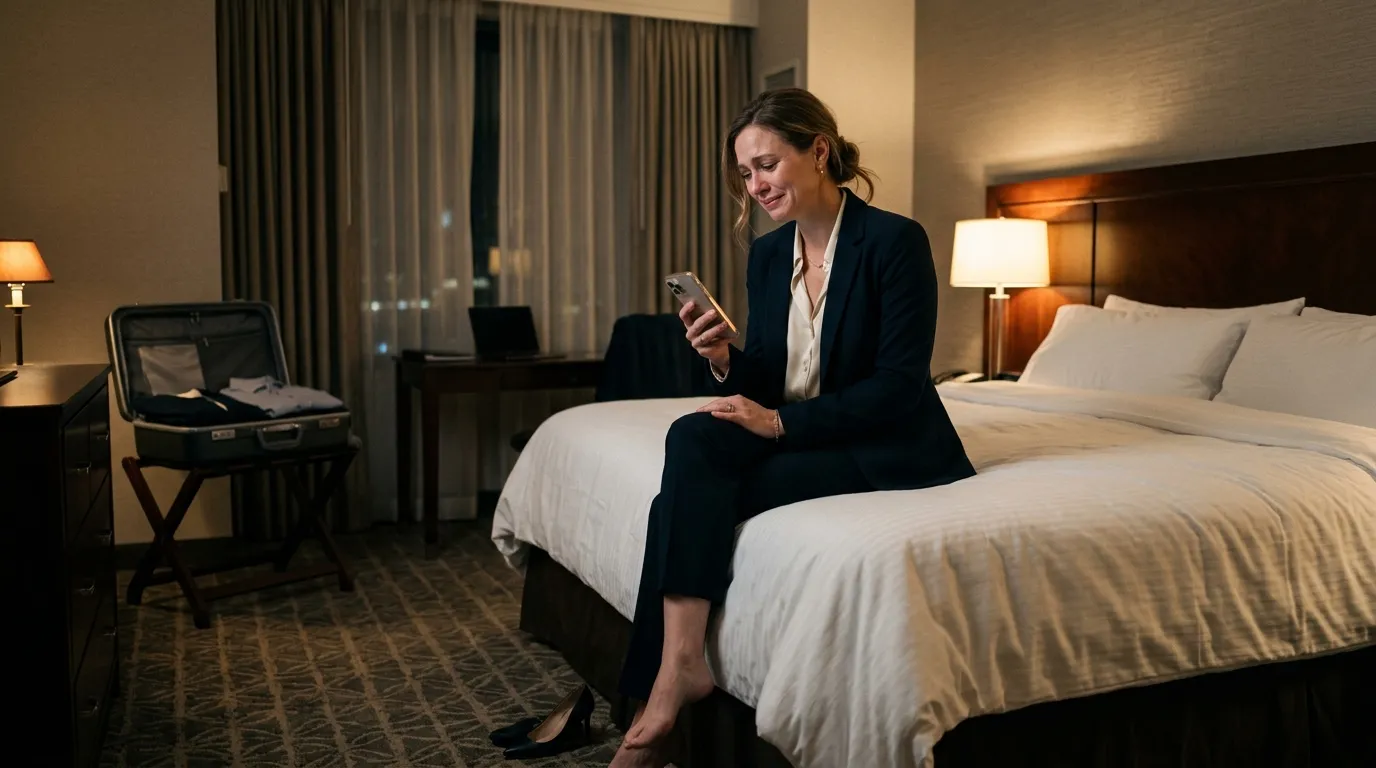 The miles between us felt heavier with every passing night.
The Surprise That Wasn’t
By the third night, his sadness had morphed into frustration.
“You said four sleeps,” he reminded me, his tone thick with the injustice of it all.
“I know, sweetheart.”
“I already did three.”
“That means there is only one left.”
Another heavy pause followed. “When are you coming home, Mom?”
“Tomorrow evening. I promise.”
My meetings the next day dragged on infinitely. I spent the majority of the afternoon glaring at the clock, pretending to nod along to a slide presentation. Then, mercifully, my manager announced that the final session had been canceled. I did not hesitate. I immediately rebooked my flight.
When the plane landed hours earlier than planned, I decided to keep it a secret. I wanted to surprise Bennett. I spent the entire taxi ride imagining the moment I would open the front door. I pictured him shouting my name, racing toward me in his slippery socks, inevitably knocking something over before launching his entire body weight into my arms. My sister, Lauren, would roll her eyes with a fond smile, and I would laugh uncontrollably as my boy tried to climb me like a tree.
The taxi dropped me off shortly after four in the afternoon. The crisp air felt welcoming. Lauren’s car sat faithfully in the driveway, exactly where I expected it to be. The living room curtains were drawn open, though the house appeared still.
I quietly pulled my rolling suitcase along the stone path, carefully planning my stealthy entrance. I would unlock the door, sneak into the hallway, and joyfully announce my return.
I never had the opportunity.
The Silent House
The front door flew open before my hand even reached for my keys.
Bennett launched himself at me, wrapping both of his small arms securely around my waist. “Mom!”
I dropped my bags. His hair smelled vividly of the strawberry shampoo he always claimed was “too babyish” for him. His soft cheek pressed firmly against my wool coat, and he held onto me as though he feared the wind might sweep me away again.
For a brief, beautiful moment, everything was perfectly normal.
I closed my eyes, burying my face in his hair, and hugged him back with everything I had. “I missed you so much,” I whispered.
“I missed you more.”
“Impossible.”
“No, I counted.”
I pulled back just slightly to look at him. “You counted how much you missed me?”
He nodded with complete, undeniable seriousness. “A lot.”
Then, without warning, he lifted his face toward me, and his joyful smile vanished entirely.
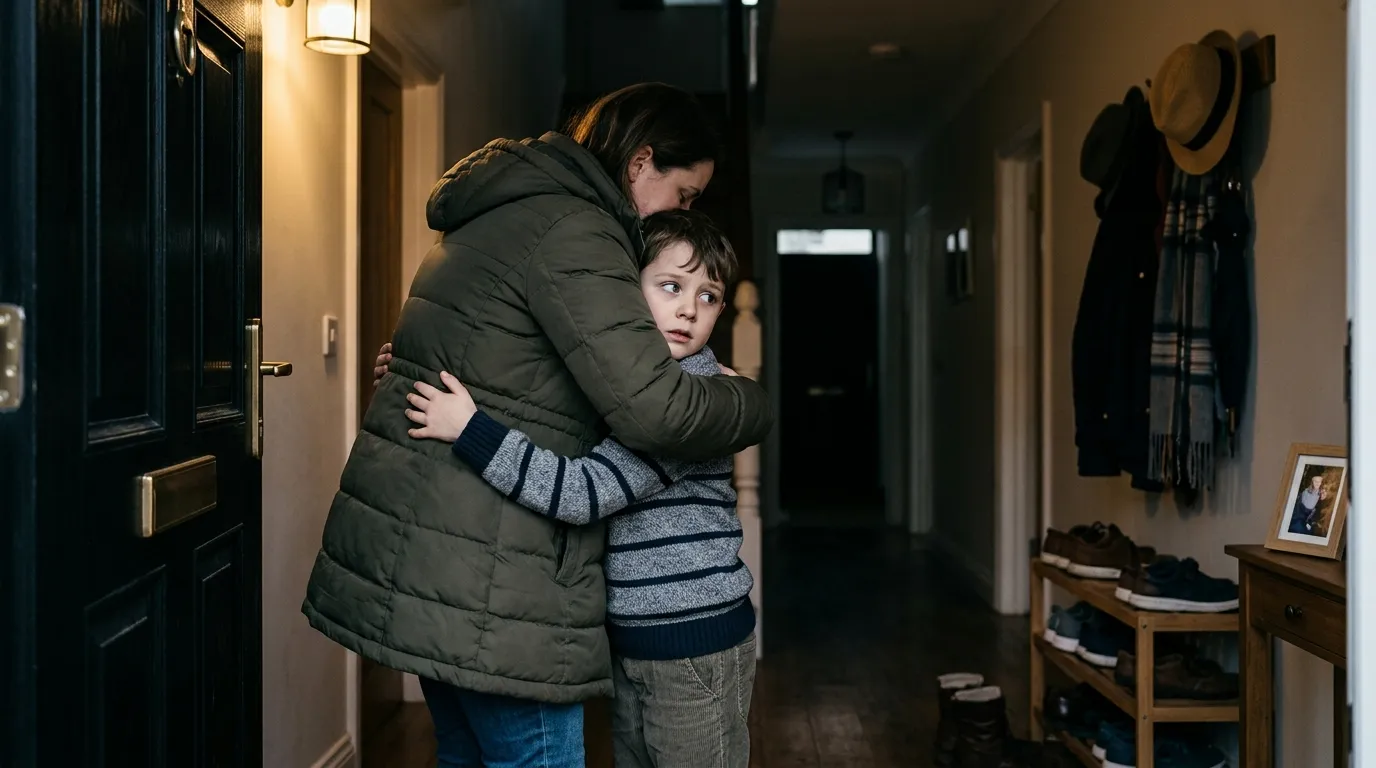 The joy of my return was instantly overshadowed by a deep, unsettling fear.
At first, my mind jumped to rational conclusions. I assumed he had remembered a household rule he had broken. Bennett had a very specific, recognizable guilty expression: his eyes would widen, his lips would press into a thin line, and the floorboards would suddenly become the most fascinating thing in the world.
But this expression was different. It wasn’t guilt. It was panic.
The rosy color rapidly drained from his cheeks. When he spoke, his small voice physically shook.
“Please don’t go into my room.”
I stared at him for a second, then let out a light laugh, convinced he must have made a catastrophic mess while I was away. Once, he had constructed a sprawling cardboard metropolis across his entire bedroom floor and colored half of his wall with a blue marker because, as he logically argued, every city required a sky.
“What happened, buddy? Did you draw on the walls again?”
He shook his head so violently that tears immediately sprang to his eyes. “No.”
The raw fear in his voice instantly erased my smile. A cold knot formed in my stomach. He glanced anxiously over his shoulder toward the dark hallway.
“I promised I wouldn’t let anyone in,” he whispered.
My brow furrowed in deep confusion. “Promised WHO?”
He did not respond. Instead, his little fingers tightened their grip around my sleeve, trembling so hard I could feel the vibrations through the thick fabric of my coat.
That was when my senses finally caught up to the reality of the situation. I realized something else was deeply wrong.
The house was not peacefully quiet. It was unnaturally, suffocatingly silent.
There was no music playing from the kitchen. Lauren, who was thirty-two, fiercely dependable, and practically a second mother to Bennett, always had a playlist going while she cooked or cleaned. The television was completely off. I heard no hum of the dishwasher, no rumble of the washing machine, and no footsteps upstairs.
I called out to her, my voice echoing a little too loudly. “Lauren?”
Nothing. Just an empty, ringing silence.
I stepped fully inside and firmly shut the front door behind me, locking out the world. Bennett remained glued to my side, his shoulder pressing heavily into my hip.
“Maybe she’s in the kitchen,” I said out loud, mostly in a futile attempt to reassure myself.
She wasn’t. The kitchen was entirely empty. Two ceramic mugs rested beside the stainless steel sink. A damp tea bag floated lazily in one, while the other appeared completely untouched. I quickly checked the backyard through the glass doors. It was deserted. And yet, Lauren’s car remained parked outside.
My pulse began a frantic, panicked rhythm against my throat. I hurried back to the hallway, where Bennett stood exactly where I had left him, frozen like a statue.
I crouched down so I was eye-level with him, placing both of my hands gently on his small, tense shoulders. “Bennett,” I asked softly, “where is Aunt Lauren?”
He refused to meet my eyes. He stared stubbornly at my shoes. “I… I don’t know.”
That made absolutely no sense. Lauren would never, under any circumstances, leave a seven-year-old home alone.
His lower lip began to tremble uncontrollably. “I don’t know.”
“Did she go outside?”
A shake of the head.
“Did someone come to the house?”
His terrified eyes darted toward the hallway again. Following his gaze, I finally noticed it: a razor-thin line of warm yellow light seeping out from beneath his closed bedroom door. Bennett was incredibly diligent about switching lights off because Lauren had jokingly convinced him that every bulb left burning would cost me a fortune.
Then, the silence broke.
I heard a sound. It was so faint, so muffled, that I nearly missed it. A low, hushed whisper. It was immediately followed by the distinct, jarring sound of something heavy scraping forcefully across the hardwood floor.
Every single muscle in my body seized. Fight or flight kicked in, and the mother in me chose fight.
Bennett’s small fingers continued to tremble in mine. “Mom… please,” he begged, a tear finally spilling over his lashes. “They said you’d be angry if you found out.”
My heart hammered violently against my ribs. They. Not she. Not he. They.
The Ghosts of the Past
I stood up and marched toward the door. Bennett followed me for exactly one step before stopping dead in his tracks, too frightened to continue. As I reached for the handle, the whispering inside ended abruptly. The bedroom plunged into total silence.
I closed my hand tightly around the brass doorknob, turned it, and pushed the door open just a few inches.
Then, I froze. The air left my lungs.
The very first person my eyes landed on was my sister, Lauren. She was crouching awkwardly beside Bennett’s racecar bed, one hand clamped securely over her mouth, her eyes wide with caught guilt.
The second person in the room was a man I had not laid eyes on in eight long, agonizing years.
My father.
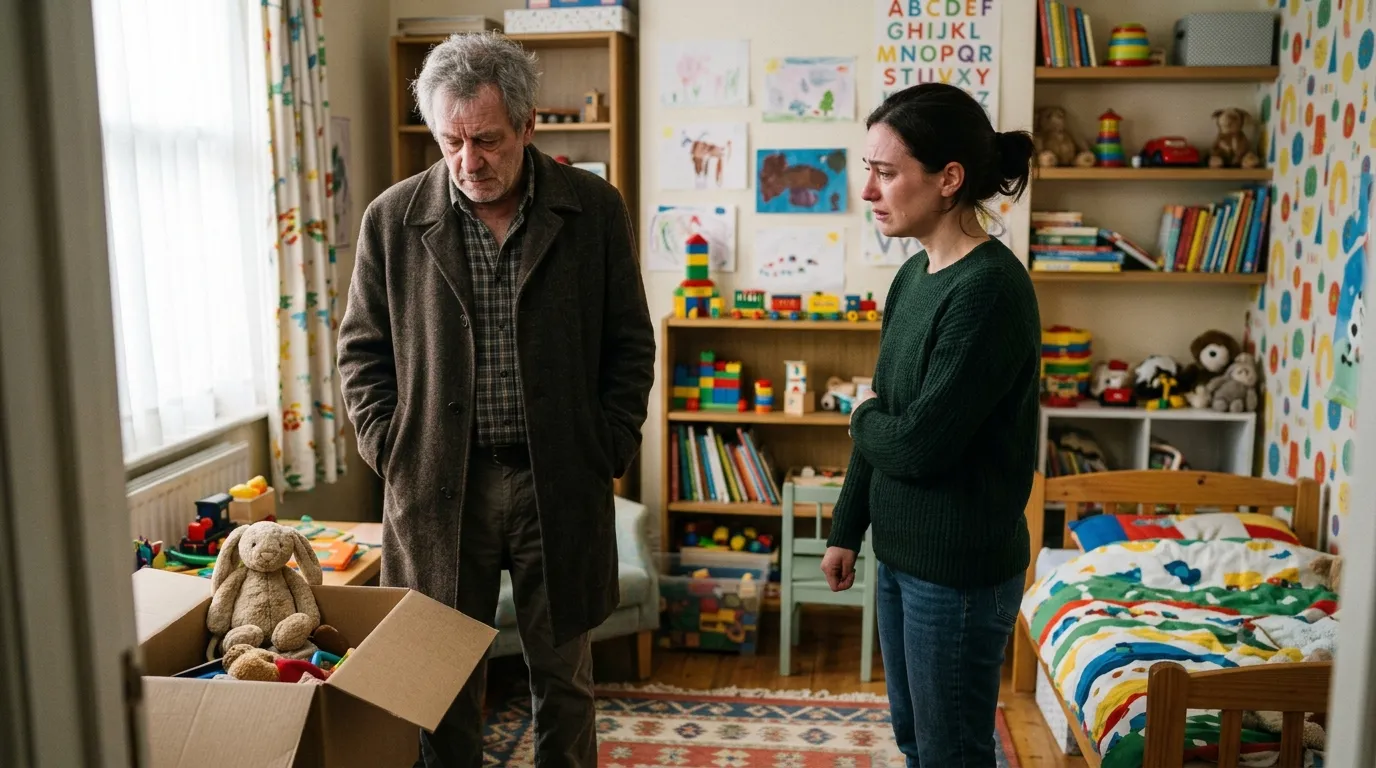 Eight years of absence stood before me in the middle of my son’s bedroom.
He appeared drastically older than the image I had preserved in my memory. The dark hair I remembered had surrendered almost entirely to a distinguished, albeit tired, gray. His shoulders, once broad and imposing, now looked terribly narrow beneath a faded brown coat. An open cardboard box rested on the rug near his feet. Beside him, I could see that Lauren had forcefully pulled Bennett’s heavy wooden toy chest away from the wall. That was the source of the terrible scraping noise.
“Dad?” I whispered, the word tasting completely foreign on my tongue.
My father slowly stood up, his movements stiff and deliberate. “Ingrid.”
Hearing the sound of my name spoken in his gravelly voice caused something deep inside my chest to tighten painfully. He used to say my name exactly like that when I was a little girl—usually right before he had to apologize for yet another broken promise.
“What are you doing here?” I demanded, my voice finding its strength.
Lauren stood up quickly, raising her hands in a placating gesture. “Before you get angry, Ingrid, please let me explain.”
I glared at her, betrayal stinging my eyes. “You told my son not to let anyone in?”
“No,” she answered softly, her gaze dropping to the floor. “Dad did.”
My father looked profoundly ashamed, unable to maintain eye contact. “I honestly thought we would be long gone before you got home.”
I felt a small pressure against my back. Bennett had crept up behind me and was now hiding, wrapping his arms around my waist for protection. “I didn’t tell her,” he announced nervously to the room. “She came early.”
I reached behind me and gently patted his hands. “You did absolutely nothing wrong, sweetie.”
I snapped my attention back to my sister. “Why were you hiding in my son’s bedroom?”
She shifted uncomfortably and pointed toward the open cardboard box on the floor. “We were looking for something.”
I stared at her in utter disbelief. “You brought him into my home without telling me, then proceeded to tear apart Bennett’s room?”
“We weren’t searching through his things,” Lauren insisted defensively. “We were specifically checking behind the toy chest.”
“For what?”
The Box in the Wall
My father didn’t answer with words. He slowly bent down, his knees popping audibly, and reached into a jagged gap in the wall where he had removed a loose piece of wooden baseboard trim. From inside the dark, narrow opening, he extracted an object wrapped carefully in a faded, floral kitchen towel.
As he unfolded the fabric, a small, heavily oxidized metal tin was revealed.
I stopped breathing. I recognized it immediately.
It was my mother’s vintage recipe box.
The sheer shock of seeing it completely stole my next question. My mother had passed away when I was only nineteen years old. She had battled a relentless illness for nearly a year, fighting with a grace I still admire. But my father? He disappeared months before the end. He cowardly packed his bags and left, claiming his heart simply could not bear to watch her condition worsen.
Lauren and I had remained. Just the two of us. We took turns spoon-feeding her when she grew too weak, washing her fragile, thinning hair, and sitting quietly beside her holding her hand when the pain medication was no longer enough.
After the funeral, my father had called exactly twice. Over the years, I had successfully spent a monumental amount of energy convincing myself that his cowardly absence no longer mattered to me.
“What is that doing here?” I asked, my voice barely above a whisper.
My father held the battered tin box as if it were made of delicate glass. He didn’t speak.
“What is that doing here?” I repeated, my volume rising.
Lauren looked sympathetically at the exposed gap behind the toy chest. “Dad said Mom hid it in this room years ago… long before you even bought the house.”
I turned my fierce gaze directly onto him. “You knew this was hidden in my house all this time?”
What I still failed to understand was why they were standing inside my son’s bedroom, holding an old tin my mother had stashed away almost two decades ago. But as my father popped the metal latch, I realized the truth.
The box did not contain recipes for casseroles and pies.
It held letters.
Dozens and dozens of them, stacked neatly together. Even from a distance, I could see that each crisp envelope carried a date in the top corner, and every single one was addressed in her beautiful, looping cursive to either Lauren or me.
My knees suddenly felt remarkably weak. “What is this?”
My father swallowed hard, his Adam’s apple bobbing in his throat. “Your mother wrote these… during her last few months.”
I spun toward Lauren. “You knew about this?”
She nodded, a tear escaping down her cheek.
“How?”
“Dad contacted me last week.”
A harsh, bitter laugh forced its way out of my chest. “Of course he did.”
“Ingrid,” my father pleaded quietly.
“No!” I shouted, startling Bennett. I immediately lowered my voice, but the venom remained. “No. You do not get to say my name like that. You left her. You left us.”
“I know.”
“You missed her funeral. You didn’t even show up to bury the woman you loved.”
His expression visibly crumpled, a mask of pure agony, but years of repressed anger compelled me to keep going. “You missed Lauren’s wedding. You missed Bennett’s birth. You completely vanished from our lives, and now you think you have the right to just waltz into my house, scare my son, and dig through my walls?”
He stood there, absorbing every blow because he knew he deserved them. “Then why did you come back?” I demanded.
His weary eyes dropped toward the tin resting in his palms. “Because your mother made me promise her. She made me swear I would give you these letters only when you were completely ready.”
My anger sharpened into a blinding point. “When I was ready? I was nineteen years old, Dad. Lauren was twenty-three. We needed our mother then. We needed our father then.”
“I was a coward,” he admitted, his voice breaking. The absolute simplicity of his confession hurt infinitely more than any fabricated excuse ever could have. “I told myself I was leaving to protect you from more pain, to spare you the burden of my grief. But the ugly truth is, I simply could not face what I had done. And every single year I waited to fix it, it became impossibly harder to come back.”
Lauren stepped forward and placed a gentle hand on my arm. She spoke so quietly I had to lean in. “He called me, Ingy, because he’s sick.”
I snapped my head up, looking at her sharply, then back at him.
My father slowly lowered himself onto the very edge of Bennett’s racecar bed, looking utterly defeated. “Cancer,” he rasped. “It has spread.”
The Heavy Weight of Truth
The colorful walls of the bedroom suddenly seemed to close in around us. Over the past eight years, I had vividly imagined crossing paths with him again countless times. In some dramatic versions, I screamed until my throat bled. In others, I slammed the front door squarely in his face and locked the deadbolt. But in all my scenarios, he was a villain. I had never, not once, imagined him looking so unbelievably frail, so small enough to simply disappear into the air.
“How long?” I asked, the fight draining from my body.
Before he could answer, Bennett’s little arms squeezed my waist tighter. I looked down and saw deep confusion wrinkling his forehead. He pointed a small finger toward the bed.
“Mom… is he my grandpa?” Bennett asked innocently.
For a painfully long moment, no one in the room dared to breathe, let alone answer.
My father looked at the boy he had never met with a sudden, overwhelming tenderness that made my own chest ache in sympathy.
“Yes,” I finally whispered, stroking Bennett’s hair. “He is.”
Bennett studied the old man intently. “Why didn’t you come visit before?”
My father took a long, uneven breath. “Because, Bennett… I made a very terrible mistake a long time ago.”
“Did you say sorry?” the boy pressed, utilizing the simple logic of a seven-year-old.
“Bennett, that’s enough,” I murmured.
But my father shook his head, holding up a hand. “No, it’s a fair question.” He looked directly into my eyes. “Not properly. I haven’t said it properly.”
Bennett thought deeply about this before asking the ultimate question: “Are you going to?”
My father stood up, ignoring his painful joints, and stepped toward me. “I am so incredibly sorry, Ingrid. And not just because I am sick. Not because I am terrified of dying alone. I am deeply sorry because I abandoned you when you needed a father the most. I know I cannot repair those lost years, and I am not asking you to pretend I can. But I needed you to hear the absolute truth from me before I go.”
My anger remained, a hot coal burning in my chest. So did the profound, suffocating grief of missing out on a father. But buried deeply beneath both of those heavy emotions, I felt something entirely unexpected.
Relief.
For nearly a decade, I had tormented myself wondering whether Lauren and I had mattered so little to him that abandoning us had been an easy choice. Now, looking at his shattered expression, I understood the truth. It had not been easy. It had been selfish, yes. Cowardly, absolutely. Cruel, without a doubt.
But it had never been easy.
Lauren reached into the metal tin and pulled out a delicate, yellowed envelope. It had my name written beautifully across the front in my mother’s unmistakable handwriting.
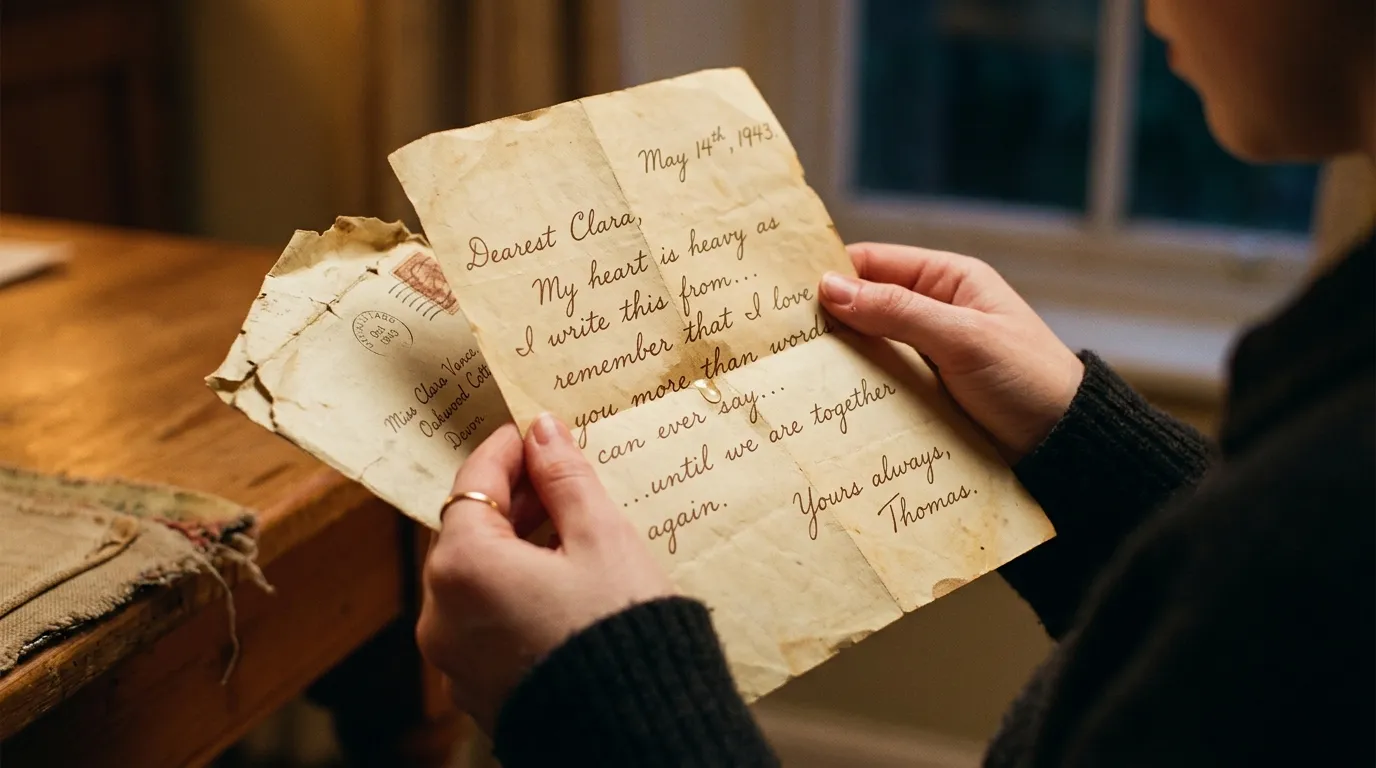
A message of love, hidden in the walls for nearly twenty years.
My trembling legs could no longer support my weight, so I simply sank down and sat on the carpeted floor. The thin paper shook violently between my hands as I carefully broke the old seal and unfolded the letter.
“My darling Ingrid,” I read aloud, my voice echoing softly in the quiet room.
My voice immediately broke on the next line. I swallowed hard and forced myself to continue.
“If you are reading this, then I am gone, and I know you are so very angry. You have every right in the world to be. But my sweet girl, do not let anger become the room you live in. It will keep you feeling safe and protected for a little while, but eventually, it will only lock you inside.”
I had to stop reading. I couldn’t see the words through my tears.
Lauren sat down on the floor beside me, pressing her shoulder against mine in a silent show of solidarity. I wiped my eyes and silently read the rest of the letter. It was filled with beautiful childhood memories, gentle advice about navigating adulthood and raising children, and one final sentence that made me press the fragile page tightly against my chest.
“Love does not always return to us in the exact form we feel we deserve, but that does not mean we must become permanently incapable of receiving it.”
Then, I cried.
I did not cry quietly, and I certainly did not cry gracefully. I sobbed from the depths of my soul. Lauren wrapped both of her strong arms around my shoulders, and Bennett, sweet, brave Bennett, climbed right into my lap and buried his face in my neck.
After a long moment, my father slowly knelt on the floor nearby. He hovered there, painfully uncertain whether he had finally earned the right to come any closer.
Leaving the Door Open
Forgiveness is not a simple door that you can immediately throw wide open simply because someone decides to knock before it becomes too late. It is a heavy, rusted hinge that requires time, patience, and effort to move.
But I allowed him to remain for dinner.
We ordered pizza, and Bennett, blessed with the remarkable resilience of youth, questioned his new grandfather about absolutely everything. He asked about his favorite brand of cereal, what his favorite color was, and whether he had ever seen a real grizzly bear in the wild. My father, with tears shining brightly in his tired eyes, answered every single question with endless patience.
Before leaving into the cool night air, he stopped at the front door. He pulled his brown coat tight against the chill.
“May I call you tomorrow?” he asked, his voice laced with fearful hesitation.
I looked at Lauren, who offered a small, encouraging nod. Then I looked down at Bennett, who was happily eating a leftover crust. Finally, I faced my father again.
“Yes,” I said softly. “You can call.”
My father nodded, a profound sense of relief washing over his aged features. “I won’t miss it. I promise.”
After he finally drove away, Bennett rested his head against my side as we locked the door.
“Are you still angry, Mom?”
“A little bit,” I admitted honestly.
“At me?”
I smiled, kneeling down to kiss the top of his strawberry-scented head. “Never, ever at you.”
That evening, bathed in the soft glow of his bedside lamp, we read another one of my mother’s hidden letters together. Then, I tucked Bennett securely into his bed, right beside the wall that had silently protected her loving words for so many years.
As I turned off his lamp, I realized something profound. Sometimes, what we are most terrified of uncovering is not a dark secret intended to destroy us. Sometimes, it is simply the painful truth, waiting patiently in the shadows until we are finally strong enough to open the door and face it.
So, the real question we must all ask ourselves is this: When someone who shattered your heart returns carrying the truth you were so unjustly denied, do you permanently close the door on everything that was lost—or do you brave the pain, and open it just enough to learn what might still be saved?
Note:This work is inspired by real events and people, but it has been fictionalized for creative purposes. Names, characters, and details have been changed to protect privacy and enhance the narrative. Any resemblance to actual persons, living or dead, or actual events is purely coincidental and not intended by the author.
All images used in this article are AI-generated and intended for illustrative purposes only.